

Creating and Growing Great Volleyball Programs
A decade’s worth of ideas that will help any and all programs in new ways to help the game thrive. It is important to keep in mind the number one principle in this. This is a team game, for the kids.
Resources for
Follow USAVolleyball


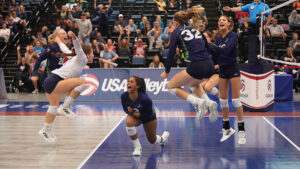 USA Volleyball Education is focused on improving developmental and educational opportunities across the sport of volleyball from grassroots to the national team level. Our goal is to provide the opportunity to access, complete and apply high-quality information and methods in the technical, tactical, physical and emotional aspects of the game for athletes and coaches while providing training, support and resources for other key stakeholders including officials, parents and clubs.
For years, the focus of volleyball in many areas and across various levels shifted to a mindset of winning at all costs.
What we now know is that the most successful teams in the world have developed a model of training and a culture that supports a holistic approach to athlete development which not only sets them up for competitive success on the court, but values and emphasizes the important of athlete health, well-being and long-term involvement in the sport.
The USA Volleyball Development Model was created based on the idea that volleyball in the U.S. could be taught differently, resulting in long-lasting positive outcomes across all measures of performance while keeping kids involved and loving the game longer.
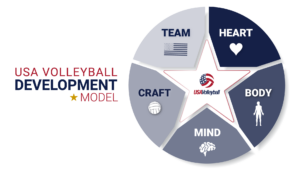
The five pillars of the USA Volleyball Development model provide the basis for a holistic approach to the core elements that are vital to supporting development at every level and across age groups.
USA Volleyball Education is committed to providing support for the volleyball community with a role-based approach to education and training. Whether you’re planning practices, cheering from the stands or making the right call, we provide the tools and resources to help you succeed.
The 14U and 16U years are where volleyball development starts to become more intentional. Athletes can begin specializing by position, but they still need to develop as complete volleyball players. At the same time, players should begin taking greater ownership of their recovery, physical development, decision-making, and mentality.
A decade’s worth of ideas that will help any and all programs in new ways to help the game thrive. It is important to keep in mind the number one principle in this. This is a team game, for the kids.

Some athletes, when asked about their current goals, will simply list ‘winning.’ But ask how they intend to meet that goal and you’ll likely be met with confused silence. Not only does goal-setting often go overlooked, we also miss teaching students how to meet their goals by putting specific, long-term daily habits in place. Frank...
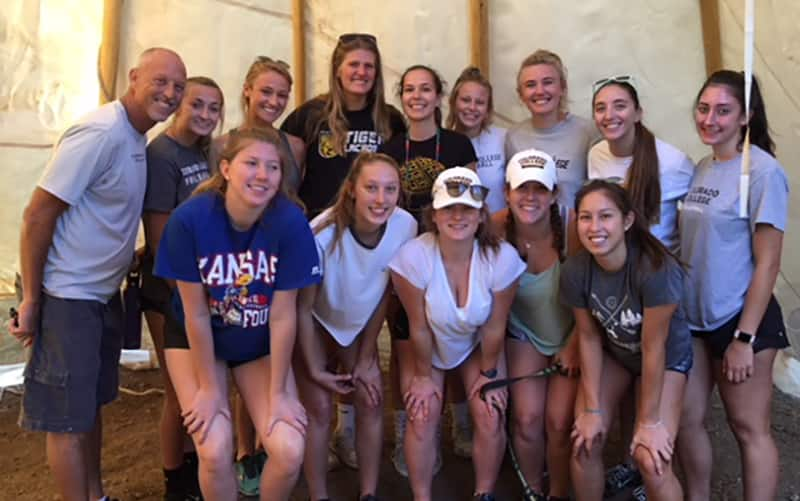
Team chemistry is crucial to a successful season. Here are a few ideas on how to foster that team cohesion.
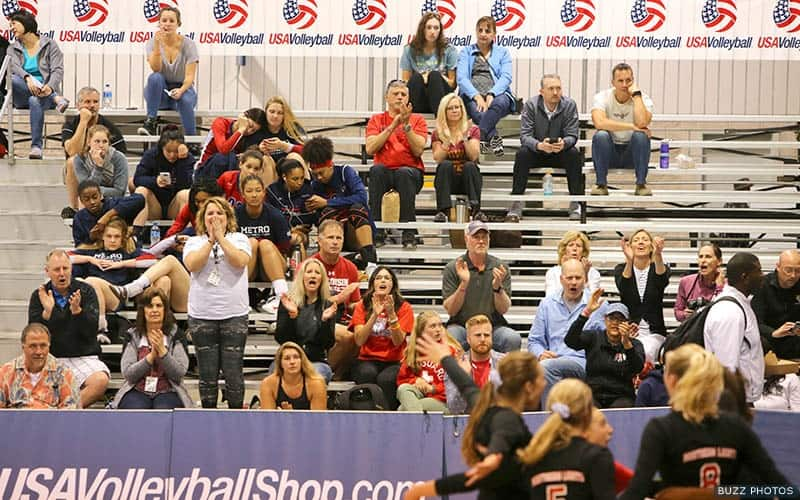
Club directors and coaches often have to deal with bad behavior in the stands. You can help defuse that behavior by sharing these tips with club parents.
Exercise has been used as punishment in the past, but there's ways to prove a point other than forced physical exertion.
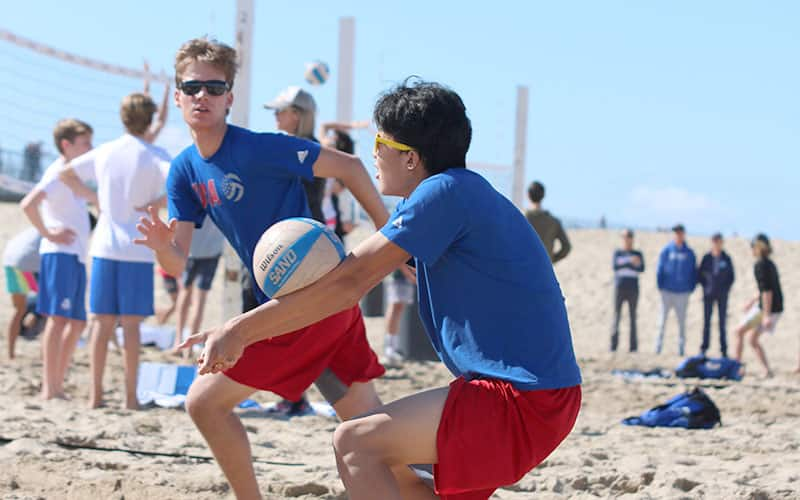
Highlights from a 2014 study that examined how participation in high school sports correlated with a person's behaviors and accomplishments later in life.

Stephen F. Austin University head beach coach Alex Luna shares his thoughts on what makes a good coach in this BCAP II article

There is no better time to set the tone for good sportsmanship than in the minutes before first serve.

Recognizing the consequences that come along with the overwhelming pressure parents put on coaches, here are practical ways coaches can manage expectations from team parents.

One of a coach’s most important roles is teaching young athletes how to deal with setbacks and come back stronger.
Lessons learned from this year's USOC American Development Model Summit

Coaches are one of the biggest influence in athletes' lives, and in many ways putting a stop to bullying behavior begins and ends with the coach.
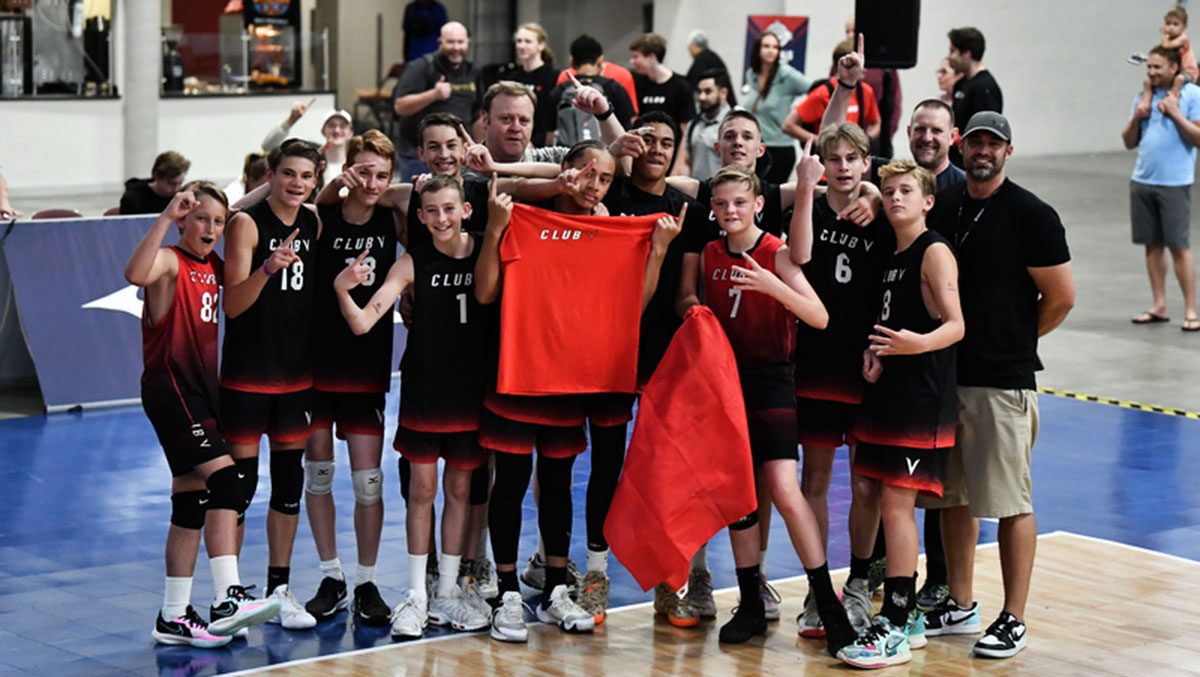
Just think about it, 10 boys playing on a team. One team, one unit, all together, sweating, working hard, learning discipline, on the court, building muscles, the beginning of a passion.
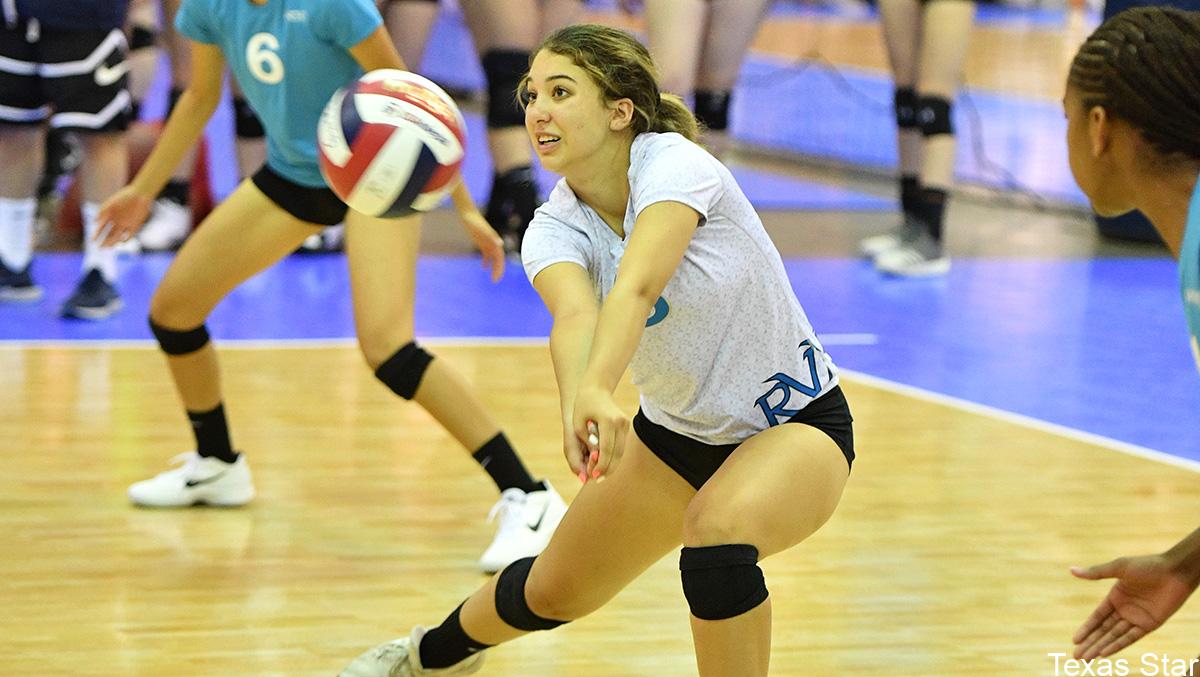
Starting a junior volleyball program can be both a rewarding and a frustrating experience. The sources of the rewards are rather apparent – the opportunity to see those young people grow and develop, the excitement of athletic competition, and the joy of a job well done.
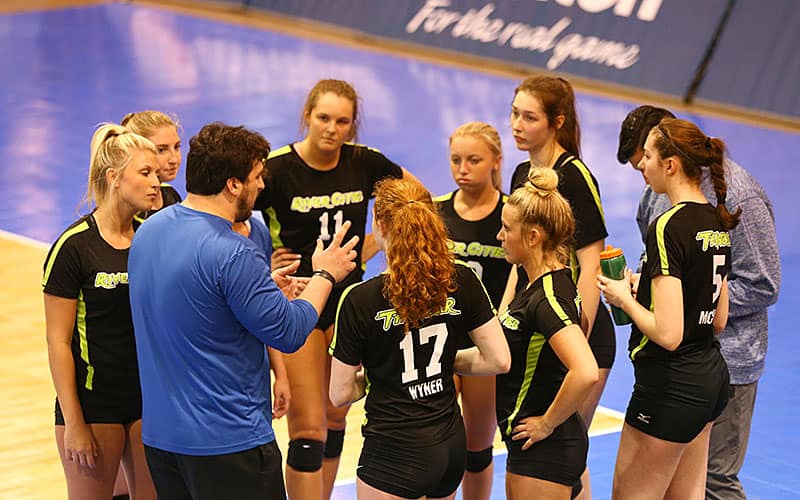
Too often, coaches say “my kids,” and while I understand the wording, I think it’s crucial to remind yourself that you have only a few hours to impact, teach and care for your players.

Coaches and parents can work together for a great experience. It just takes communication and understanding.

Most people recognize that being an official is a difficult, and often thankless job. Why do we sometimes make the job harder for them?
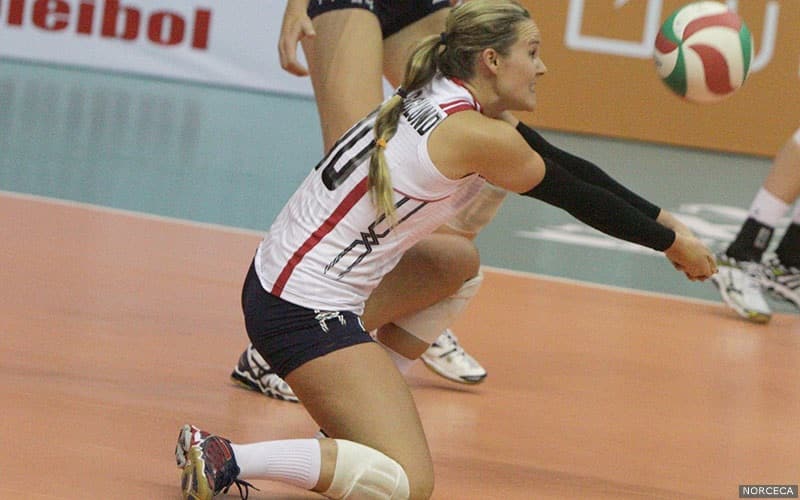
If you don't take preventative measures, there are many injuries that can occur in your knees both acutely and over time.
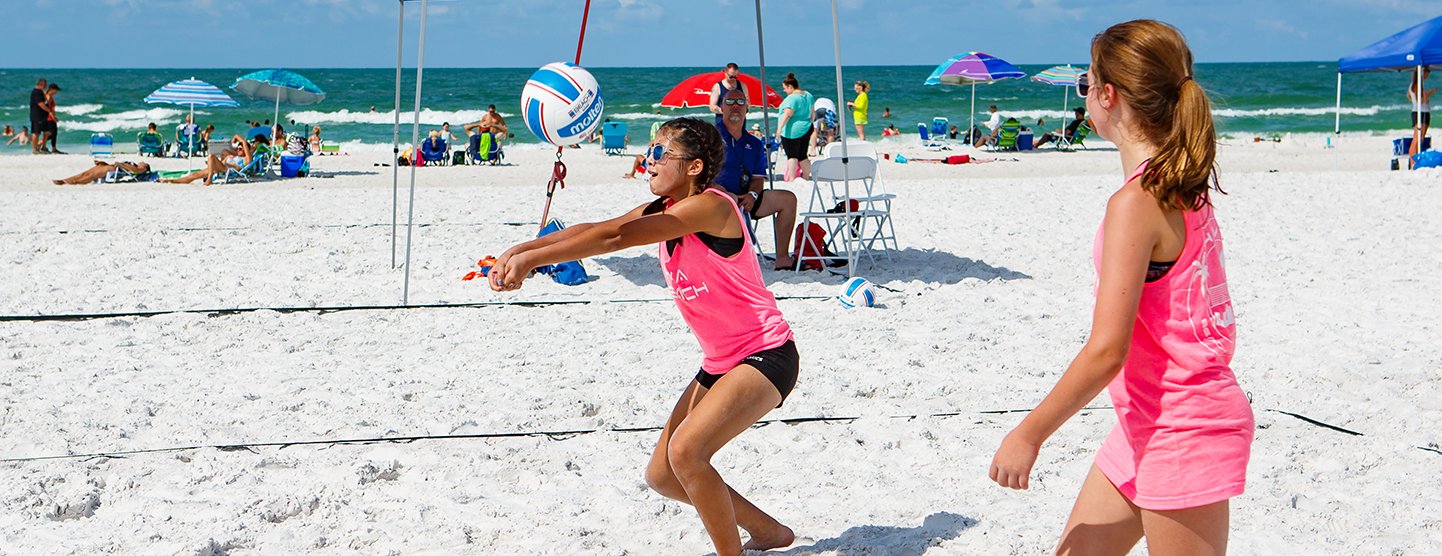
There are now opportunities stateside and around the world for juniors and pros to compete on a regular basis at all age levels. You already know the sport's highlights; how can you join the party and start a beach program?
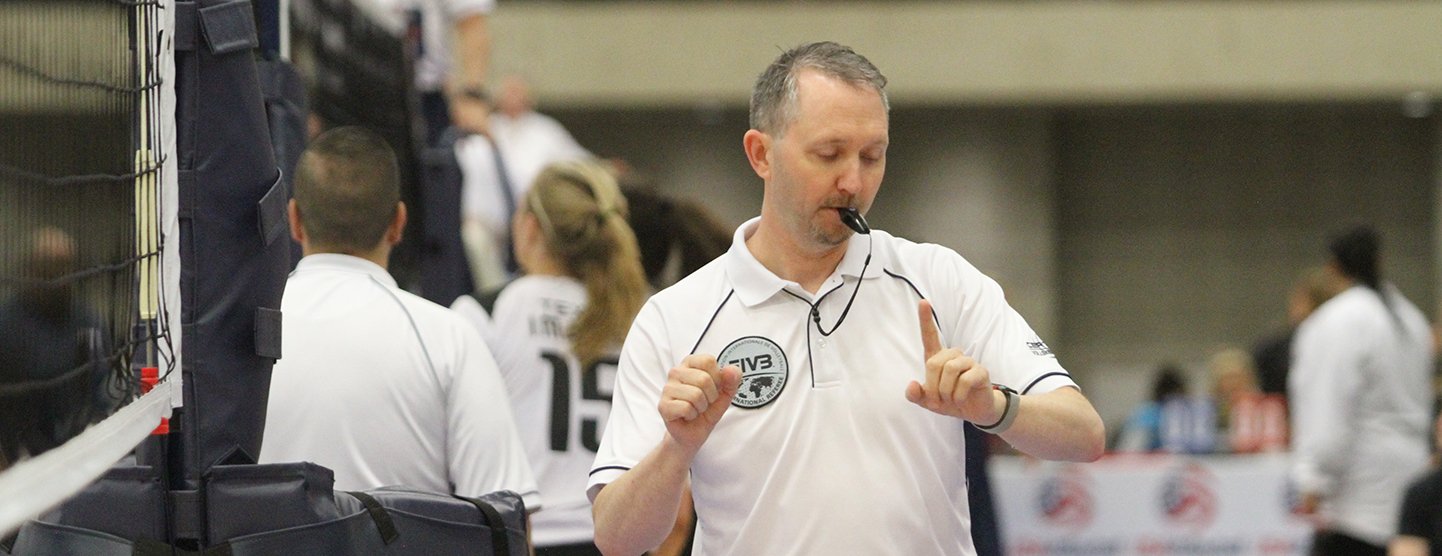
For one region within USA Volleyball, referees will now have a third colored card in their pocket for spectator issues. The Arizona Region Board of Directors approved the use of the purple card to curb parent and spectator bad behavior. This policy was adopted in August 2017.


