What To Do When Your Child Wants to Take a Break
It's easy to start panicking when your child asks to try something different, but working with them will help them come back happier.
Resources for
Follow USAVolleyball


 USA Volleyball Education is focused on improving developmental and educational opportunities across the sport of volleyball from grassroots to the national team level. Our goal is to provide the opportunity to access, complete and apply high-quality information and methods in the technical, tactical, physical and emotional aspects of the game for athletes and coaches while providing training, support and resources for other key stakeholders including officials, parents and clubs.
For years, the focus of volleyball in many areas and across various levels shifted to a mindset of winning at all costs.
What we now know is that the most successful teams in the world have developed a model of training and a culture that supports a holistic approach to athlete development which not only sets them up for competitive success on the court, but values and emphasizes the important of athlete health, well-being and long-term involvement in the sport.
The USA Volleyball Development Model was created based on the idea that volleyball in the U.S. could be taught differently, resulting in long-lasting positive outcomes across all measures of performance while keeping kids involved and loving the game longer.
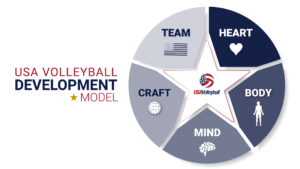
The five pillars of the USA Volleyball Development model provide the basis for a holistic approach to the core elements that are vital to supporting development at every level and across age groups.
USA Volleyball Education is committed to providing support for the volleyball community with a role-based approach to education and training. Whether you’re planning practices, cheering from the stands or making the right call, we provide the tools and resources to help you succeed.
USA Volleyball partner Sports Imports has provided USA Volleyball coaches with drills for use with their Trainer+ and The Vertec.

It's easy to start panicking when your child asks to try something different, but working with them will help them come back happier.
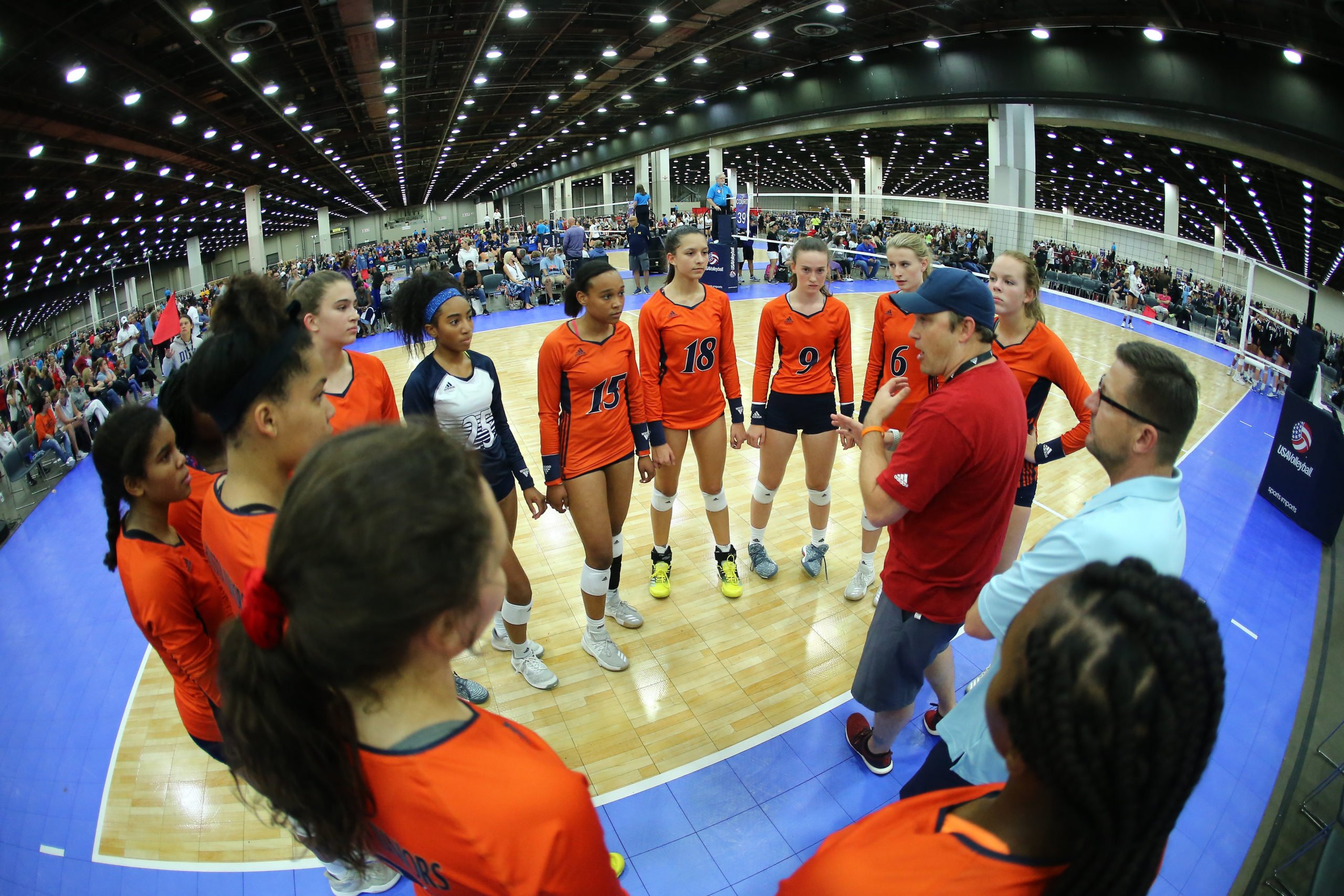
The title says it all – to first teach positive errors on the path to perfection, in every training.
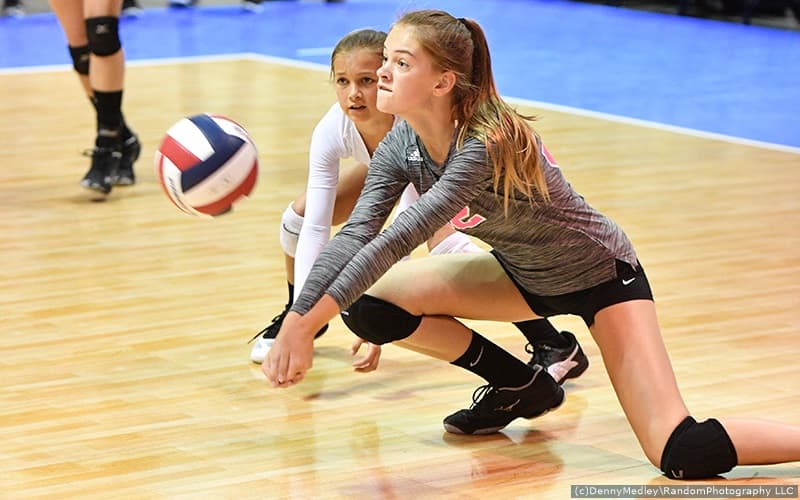
Serve and serve receiving are involved in every point played. Make sure your players learn those skills the same ways they'll use them during a match.
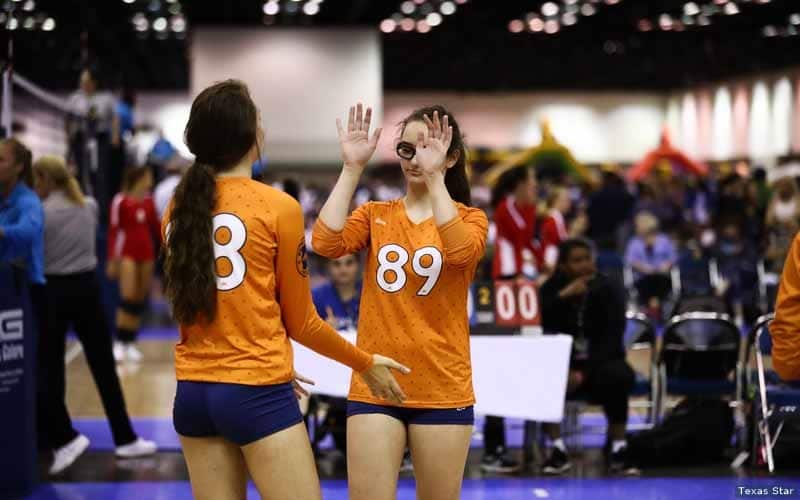
Good decision-making, although challenging to teach, is a skill that is critical to an athlete's success.
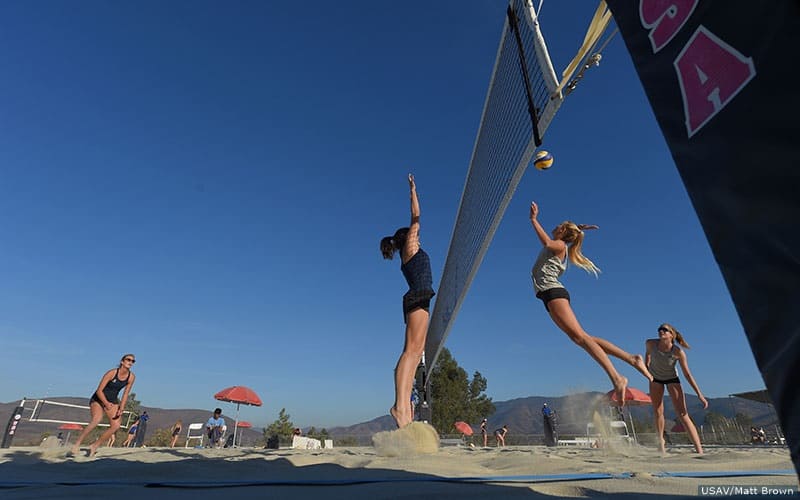
Summer is a great time for athletes to unwind from a long season, but it’s also an opportunity for them to improve their games in a relaxed environment. You can help foster that improvement by following these suggestions.
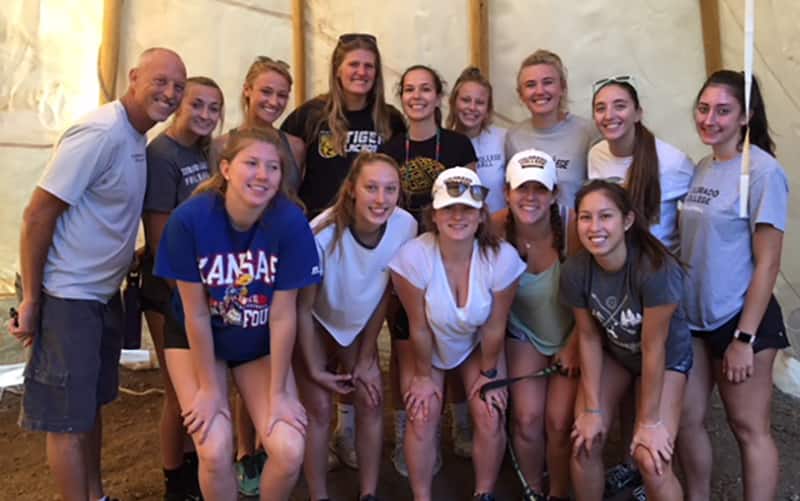
Team chemistry is crucial to a successful season. Here are a few ideas on how to foster that team cohesion.
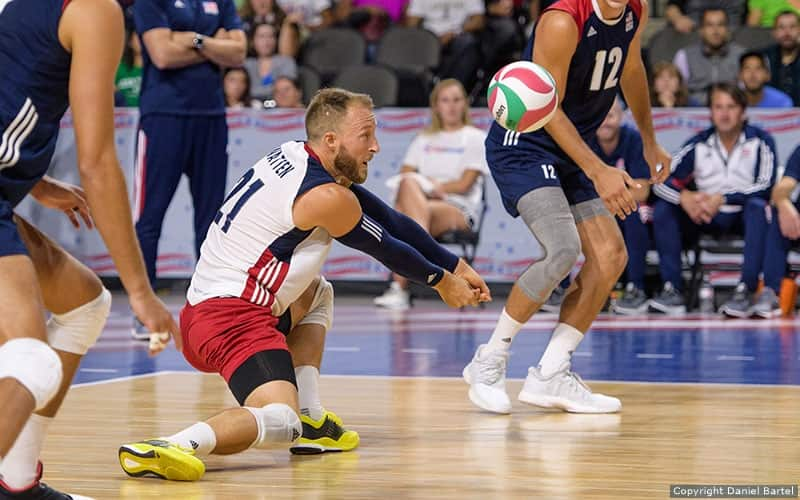
Looking for insights to improve your game? Check out our tips from top U.S. athletes
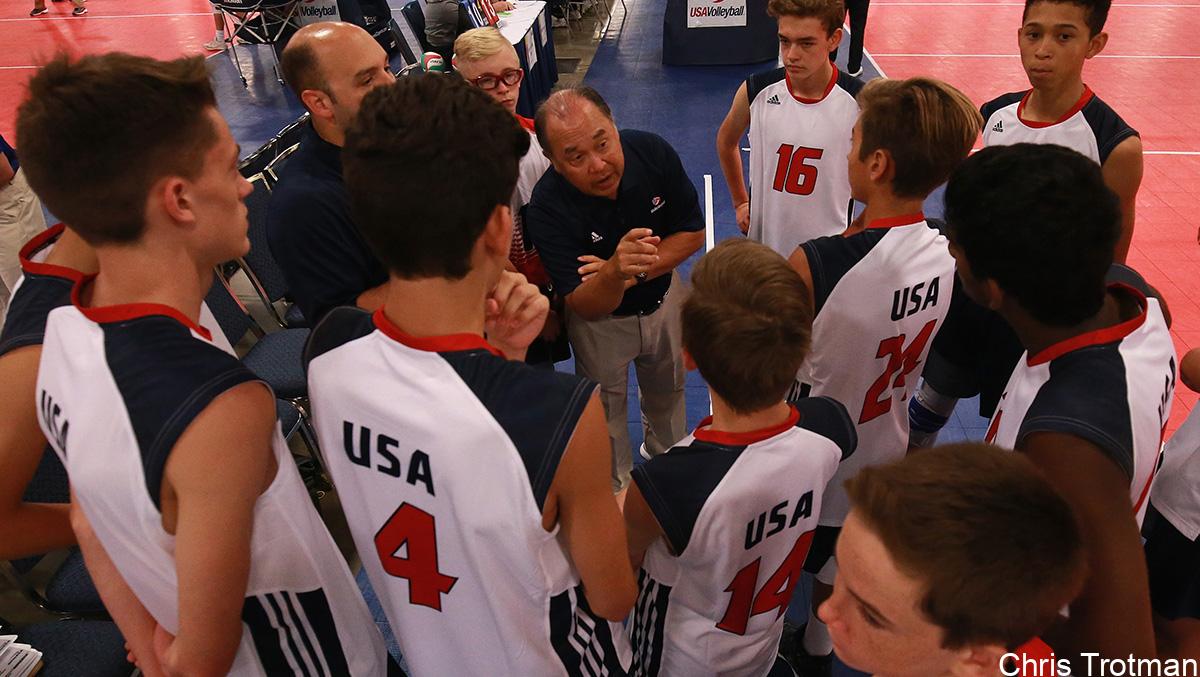
You, the coach, have to design the drills that are going to help your team reach its potential. So let’s take a look at some of the things that will help you to make drills that work for your team.
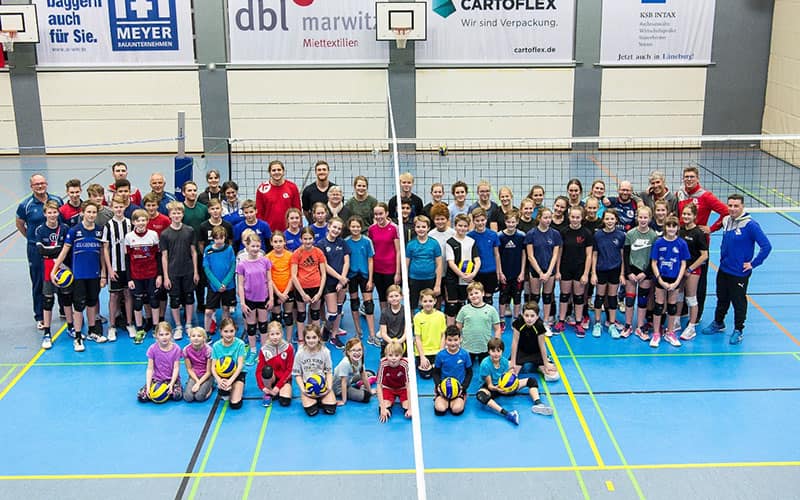
John Kessel shares ideas on how to teach the joy of volleyball before teaching the skills.
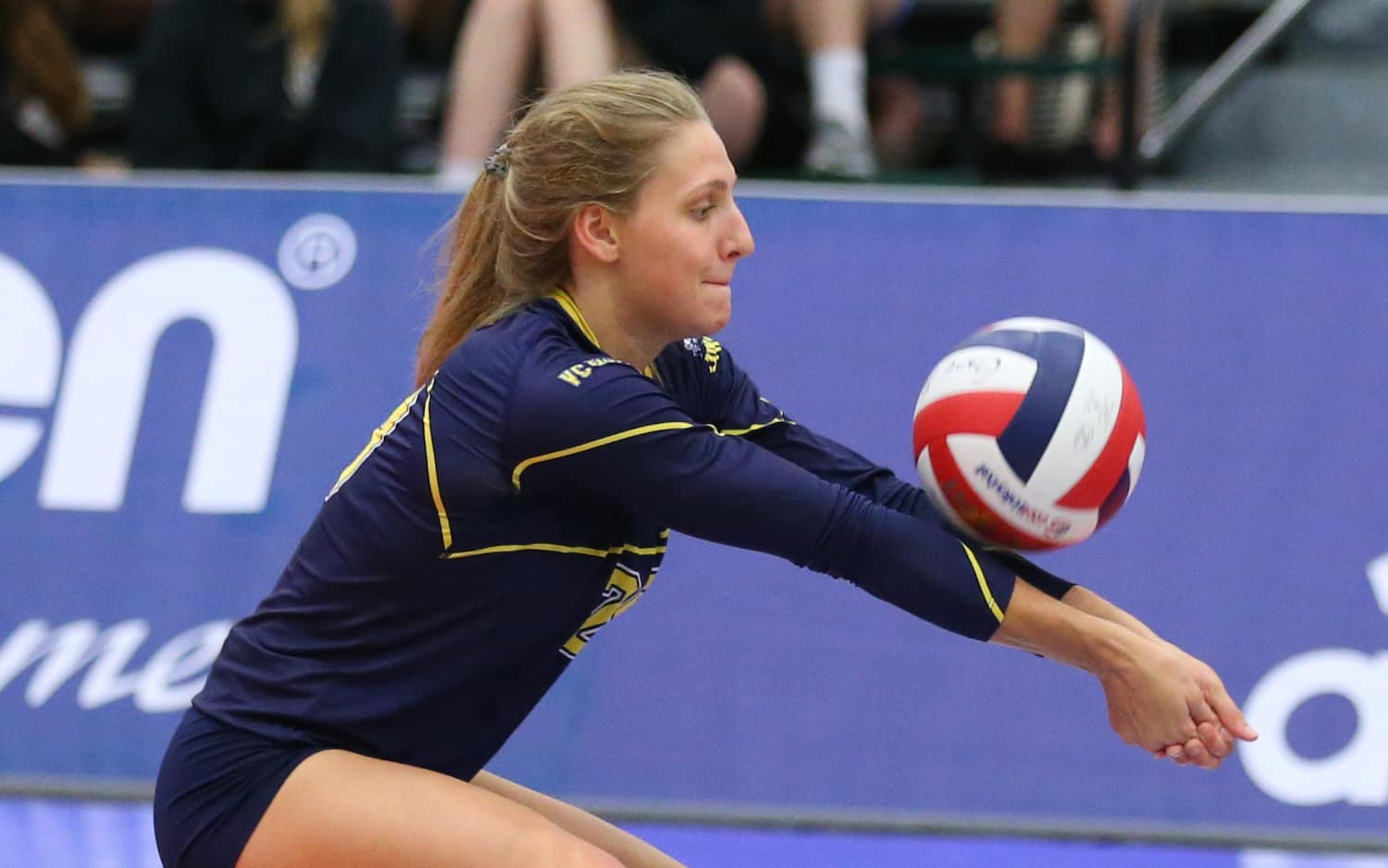
Every player on the court must have a strong grasp of what defense is and be heavily involved in its execution.
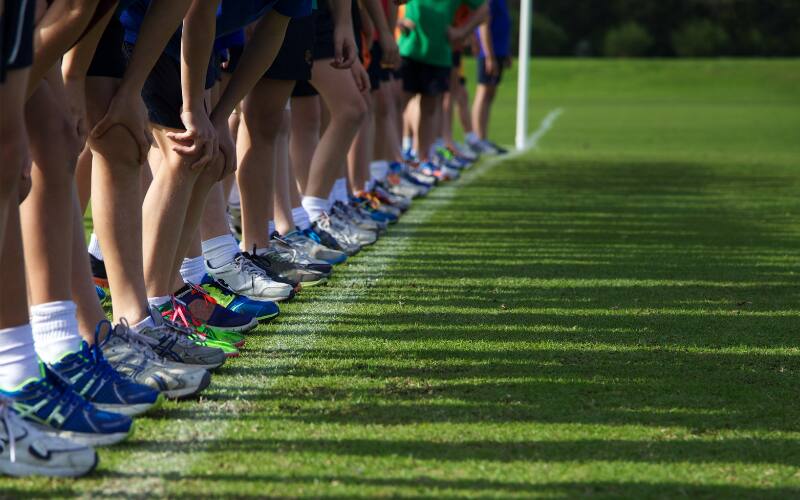
Exercise has been used as punishment in the past, but there's ways to prove a point other than forced physical exertion.
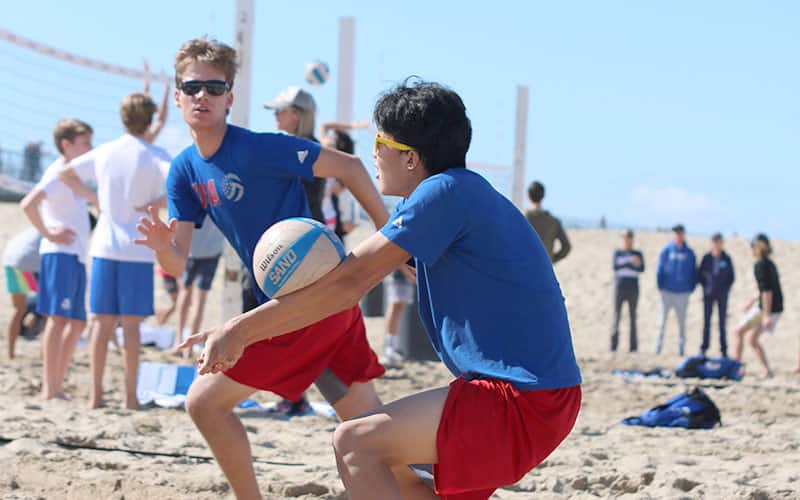
Highlights from a 2014 study that examined how participation in high school sports correlated with a person's behaviors and accomplishments later in life.
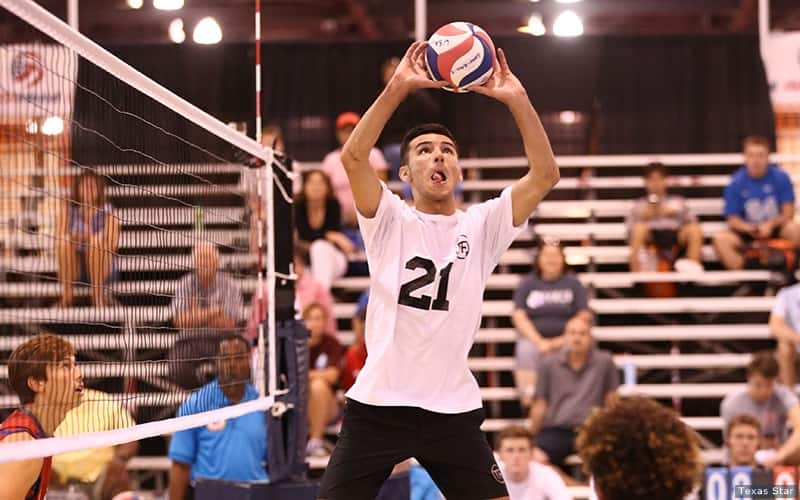
Playing more than one sport is great for an athlete's well-being. Here's how you can be a supportive coach as they transition between sports.
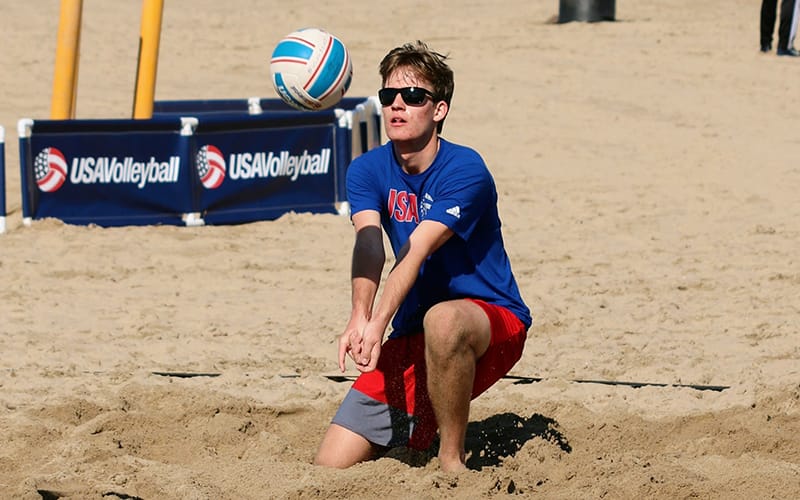
Prepare for beach national qualifiers and the USA National Beach Tour-Junior Championships with these tips.
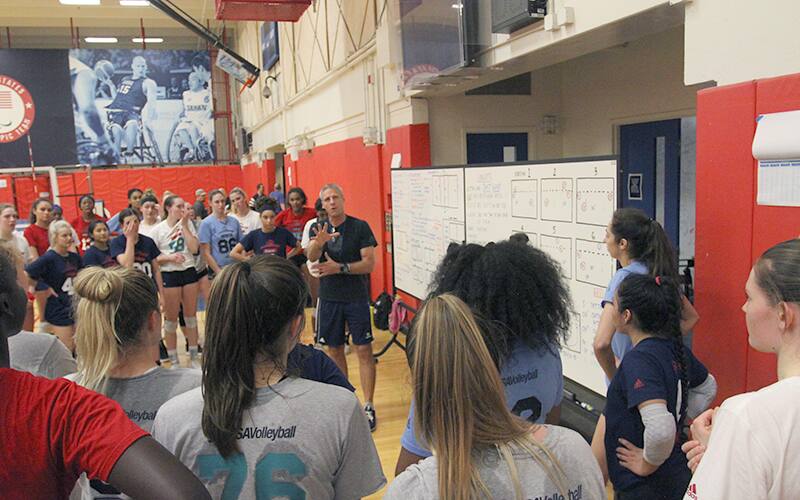
Culled from top coaches, these are simple tips that you can put in your coaching toolbox when working with your team.
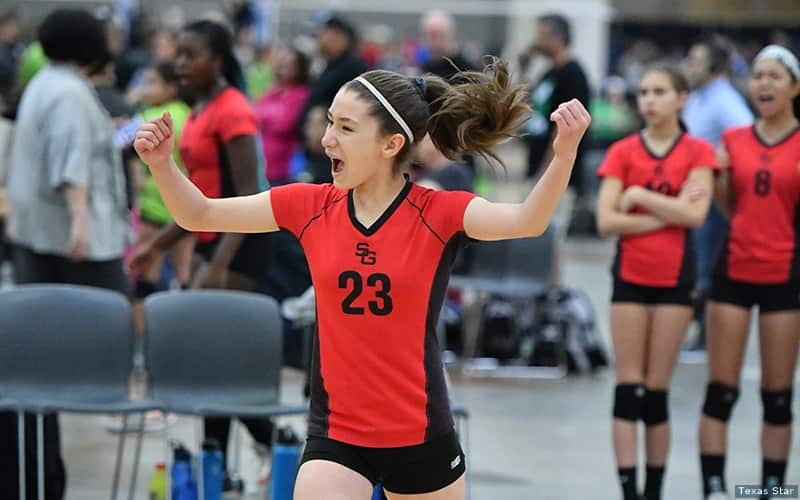
In the second part of this CAP II article, Scott Jones discussing building confidence to change athlete mindsets.

Stanford-bound middle Kendall Kipp talks about striving to maintain good character and play the game the right way.
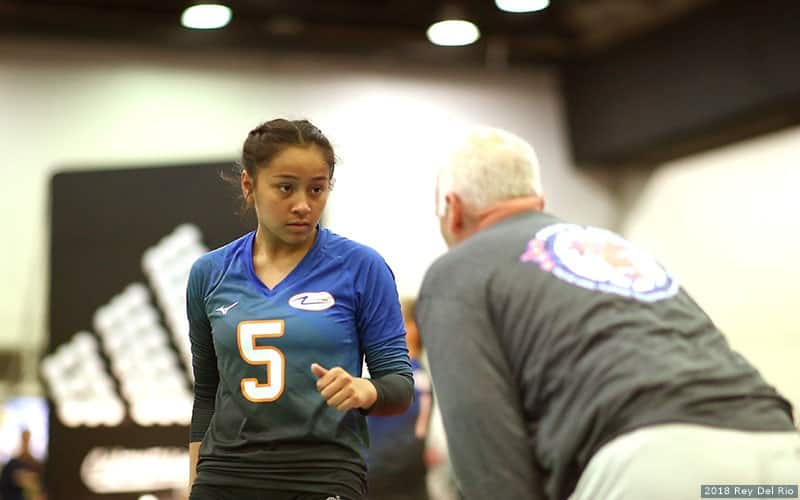
For many kids, sports provide their first taste of anxiety: the stress of serving at game point or making that all-important dig.
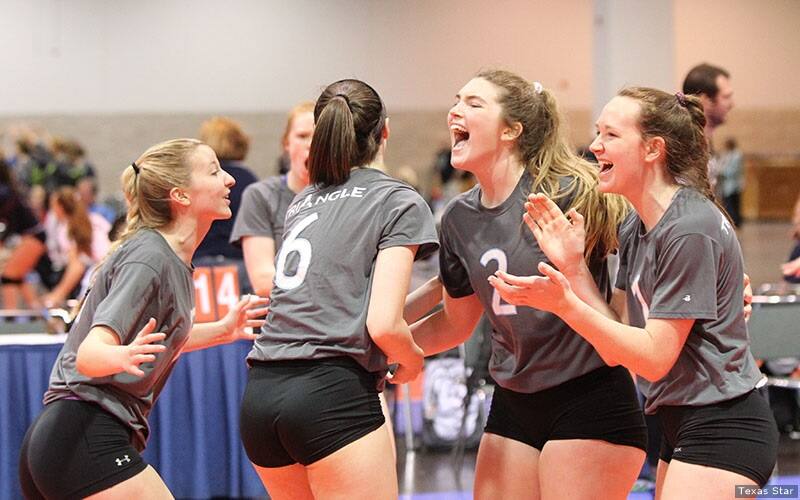
In this CAP II article, Elevate Volleyball coach Scott Jones shares how he works with young athletes to change their mindsets.
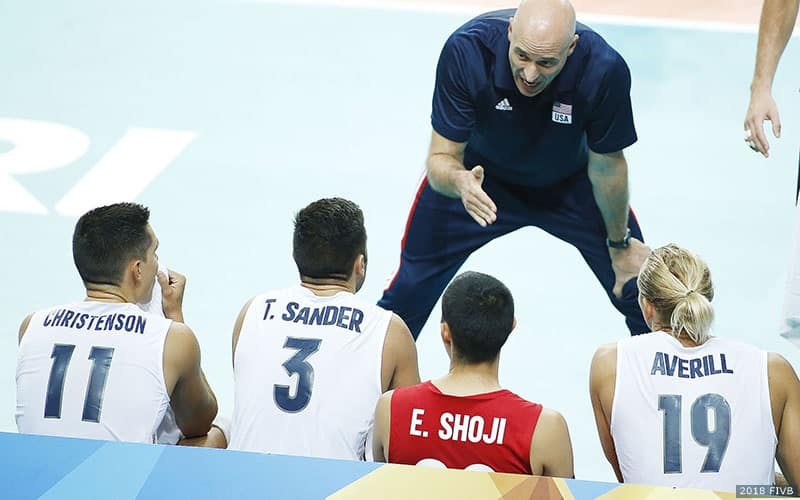
Top coaches and players provide quick tips to help make your athletes the best they can be. Pass them on!
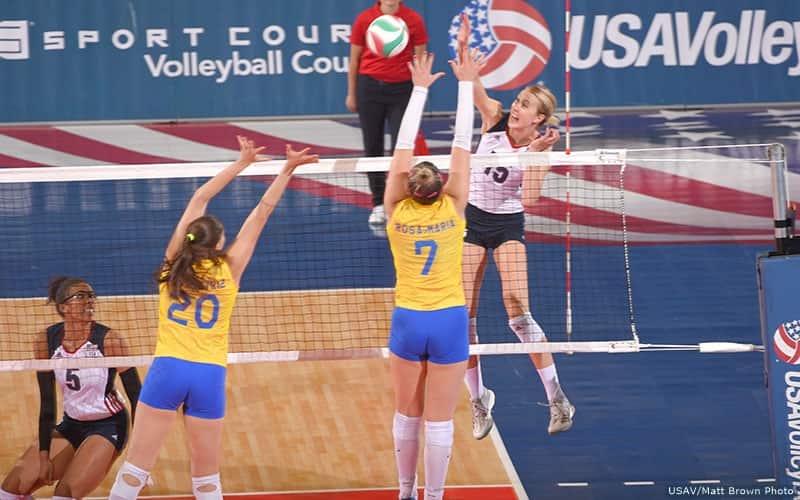
No matter how tall (or short) your players are, John Kessel has tips to improve their hitting efficiency and make a difference for your team.