Simplified Youth Rules
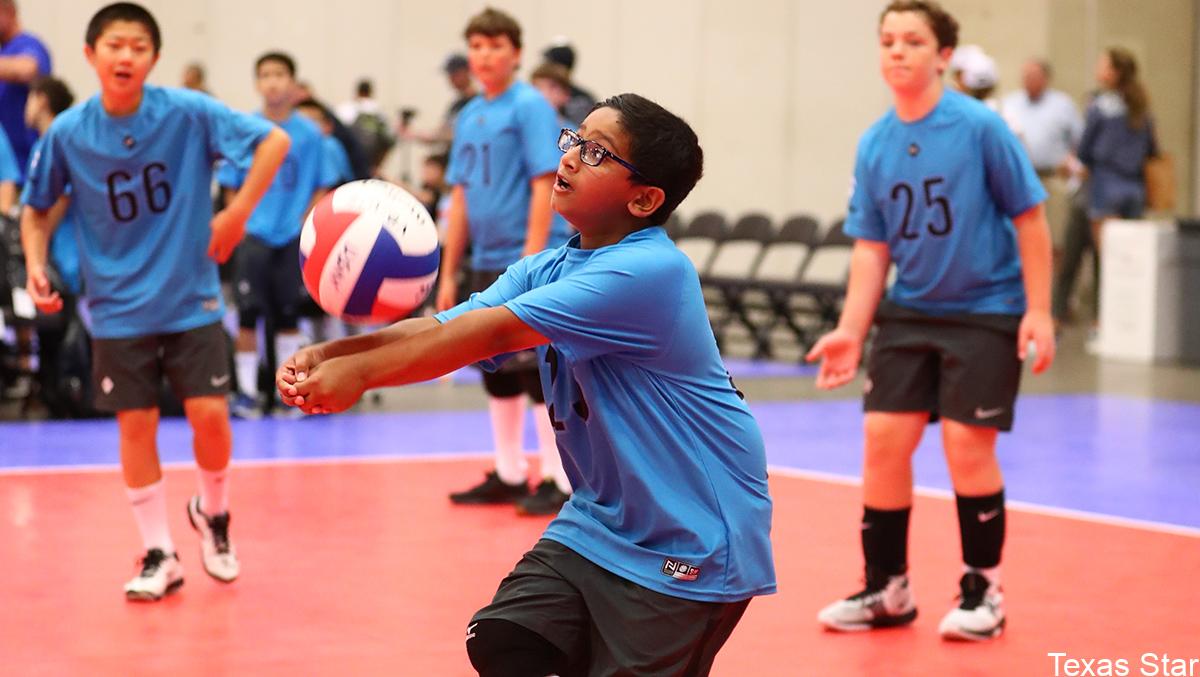
Ideas for youth play for 3-11 year old athletes, who should be playing in teams of two or four.
Resources for
Follow USAVolleyball


 USA Volleyball Education is focused on improving developmental and educational opportunities across the sport of volleyball from grassroots to the national team level. Our goal is to provide the opportunity to access, complete and apply high-quality information and methods in the technical, tactical, physical and emotional aspects of the game for athletes and coaches while providing training, support and resources for other key stakeholders including officials, parents and clubs.
For years, the focus of volleyball in many areas and across various levels shifted to a mindset of winning at all costs.
What we now know is that the most successful teams in the world have developed a model of training and a culture that supports a holistic approach to athlete development which not only sets them up for competitive success on the court, but values and emphasizes the important of athlete health, well-being and long-term involvement in the sport.
The USA Volleyball Development Model was created based on the idea that volleyball in the U.S. could be taught differently, resulting in long-lasting positive outcomes across all measures of performance while keeping kids involved and loving the game longer.
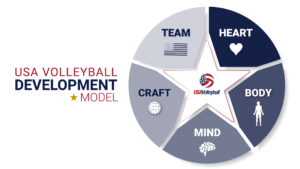
The five pillars of the USA Volleyball Development model provide the basis for a holistic approach to the core elements that are vital to supporting development at every level and across age groups.
USA Volleyball Education is committed to providing support for the volleyball community with a role-based approach to education and training. Whether you’re planning practices, cheering from the stands or making the right call, we provide the tools and resources to help you succeed.
USA Volleyball partner Sports Imports has provided USA Volleyball coaches with drills for use with their Trainer+ and The Vertec.

Ideas for youth play for 3-11 year old athletes, who should be playing in teams of two or four.
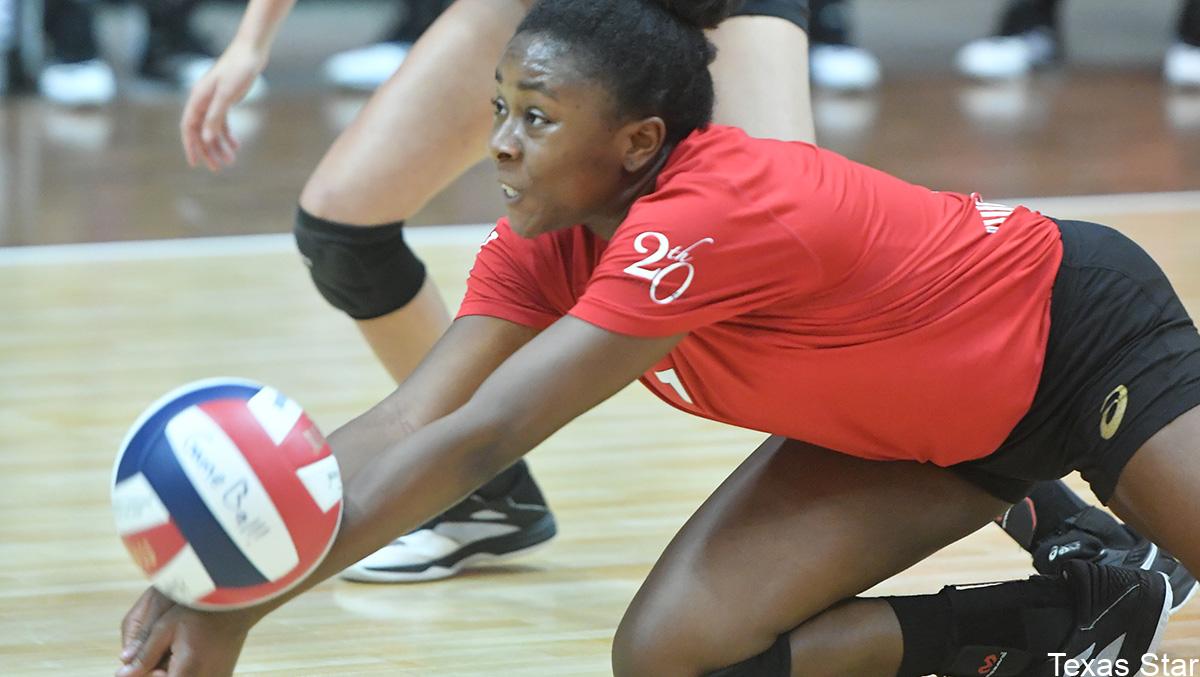
This is not a comprehensive collection, but serves as food for thought for naming a GAME better. Rather than a “drill.”
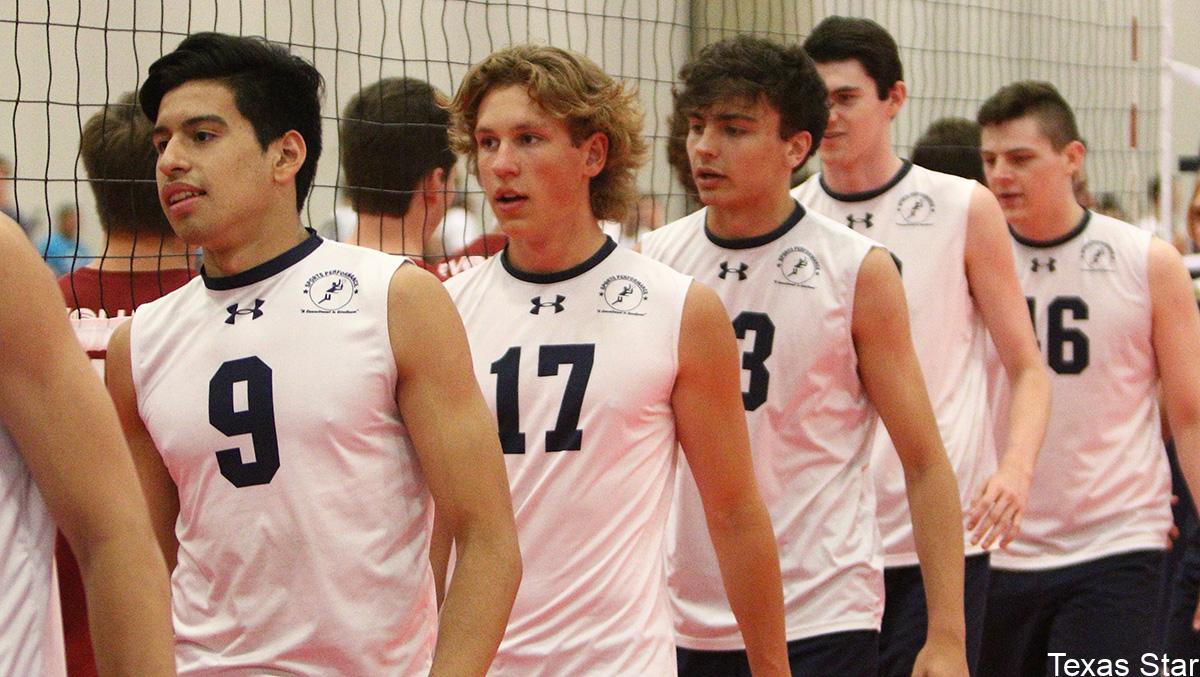
Skill performance will ebb and flow, with 50 percent of the time being spent in below average performance for each player. Practice is for RAISING each player’s personal average.
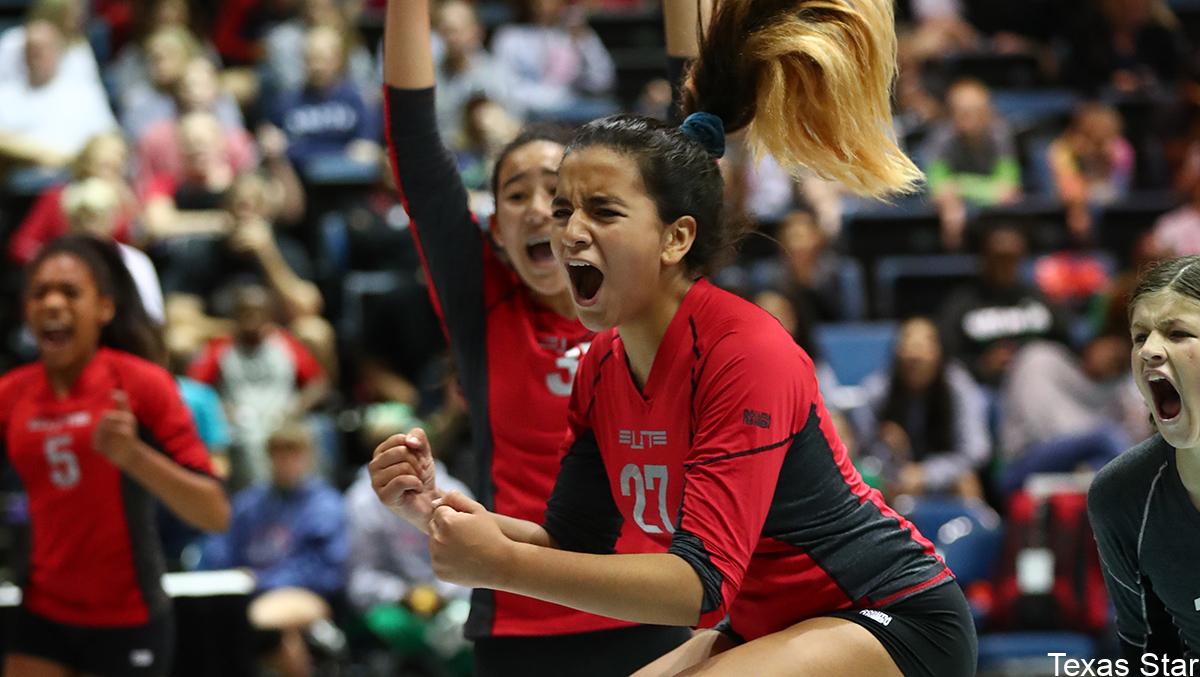
It is important for you to maintain a high level of fitness in order to compete at your physical capability. Being in shape, like getting proper nutrition, is one of the fundamental skills that sport can help incorporate into your like now that should never stop.

The article summarizes what kids should be learning from fun on the court or field, in practices and games. Some thoughts are volleyball specific, but the majority relate to all sports.
This blog in the STOP series is a plea for coaches to please understand one of the most important principles in the science of motor learning – that of specificity – as it particularly applies to conditioning/running...
Yes we are back with perhaps one of the most important “STOP” lessons of all – the need for coaches to stop teaching “Free” balls, especially the way the vast majority of coaches around the world teach it, and start teaching “Mean” balls.
Ah yes, we are back with another request – in this case to train gamelike and create hitters with volleyball IQ, and not create one dimensional players who are good at spiking into the net
There is a famous segment in one of my favorite movies of all time – Monty Python and the Holy Grail – where the “team” of knights, led by Coach, I mean, King Arthur encounter a little white rabbit. They had been expecting a horrible beast by all accounts, and yet all they saw was this cute bunny. They gained confidence for a moment, only to be ravaged in seconds by a vicious, throat tearing flying terror – the rabbit – and then the team responded…RUN AWAY!......
No matter where a parent looks, every club program will state something to the effect of “We have the BEST coaches…” They then usually add next a list how a coach “played at college” - D1/2/3/NAIA/JC …it does not matter, they were a COLLEGE player for gosh sakes. The list then mentions that the coach coached at school levels - mostly junior high or high school – and sometimes even college, and, in time, they also, or only coached club.. My question is – what certifies that they are “the best?” In this ever expanding world of marketing and hype, do you think any program would proclaim “We have just average coaches!” …or “Our coaches are learning how to coach by trial and error on your child, please come join us!” ...or "We hire whoever will apply even if we really don't know them".... or the title of this blog, "we hire the worst coaches!" Do you think that the fact that the program has a winning record, means that the coaches are skilled? More likely in club volleyball, the record is due to the recruiting work of the club, taking the best players from the smaller clubs, with promises of superior training, and even the magic word…”scholarships.”
I was looking back as my previous blog posts and comments, as our website is soon to be moving to a new provider and taking on a new look, while wondering if the comments would be lost. One comment caught my eye, that brought this blog to life – related to the Olympic motto of Citius, Altius, Fortius. Here is part of the exchange, found under the blog about changing from club to beach/high school volleyball seasons “A Change of Seasons.”
The YMCA of the USA updated this skills contest with USA Volleyball staff help for use during their volleyball centennial celebrations.
This second in a series of sharing the evolution of popular drills – into grills or even games, takes on perhaps the most hallowed of traditions… “pepper.
On October 22, 2012, Jim Coleman would be turning 80 years old. His passing a over a decade ago, in August of 2001, meant heaven picked up one of the best volleyball minds in the world to ever walk into a gym. At our USA Volleyball offices, all our historical material is in a large library area
A long talk last week with a writer from Volleyball Magazine, got me contemplating some principles that are important on the topic of “specialization.”
Been thinking about one of the drills that most volleyball coaches and players, with a little bit of experience, known around the world – “Butterfly.”
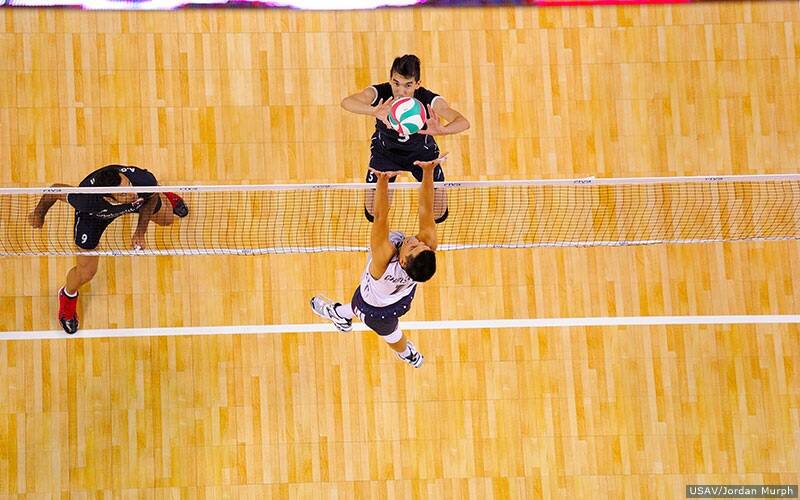
his week my son Cody is playing in his first ever college matches for Princeton.
This guest blog is by Eric Hodgson, chair of the USA Volleyball's Grassroot's Commission and full time Director of Outreach for the Arizona Region of USA Volleyball.
An advance heads up to start this blog, it is going to cost you the price of buying a movie, which you likely have not seen and which has become one of my favorite movies ever – documentary really – as it teaches huge lessons to all those wanting to be a better coach, teacher, or…
Some of you may know that during my time at Colorado College and after, I worked as a summer hiking guide, did winter ascents, and Outward Bound courses, river rafting thru the Gates of the Ladore.