
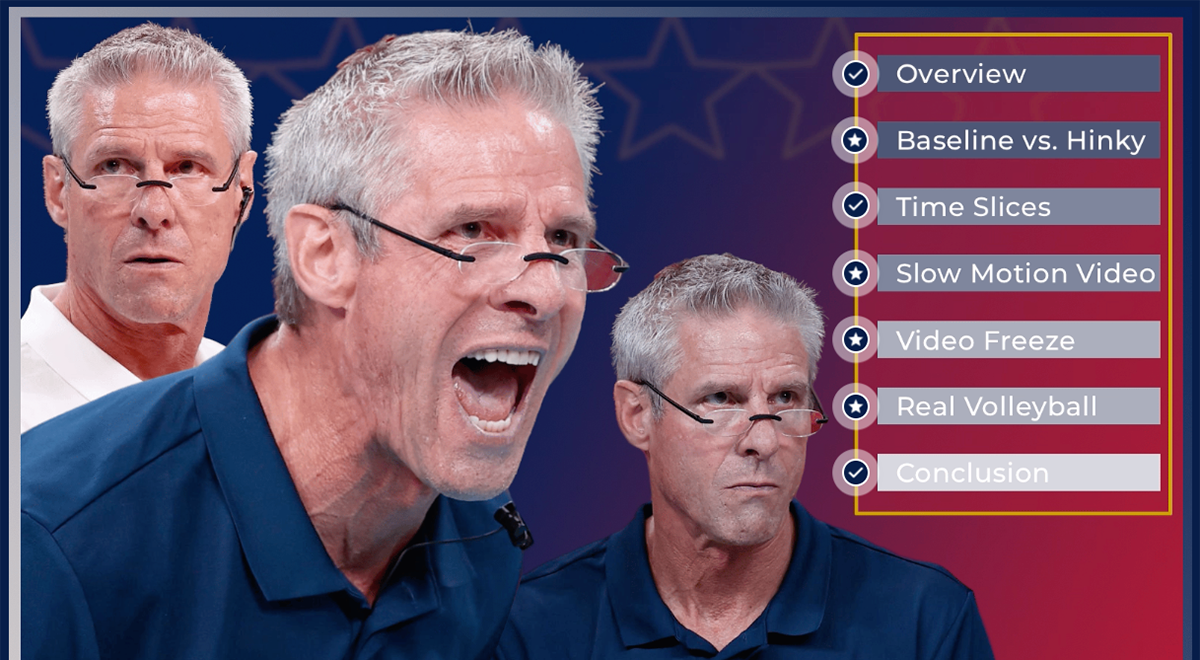
Excerpt From the Upcoming Coach Academy
Reading is a critical skill for volleyball athletes and coaches. This excerpt from an upcoming Coach Academy module will describe what reading is and how coaches can teach it to their athletes.
Resources for
Follow USAVolleyball


 USA Volleyball Education is focused on improving developmental and educational opportunities across the sport of volleyball from grassroots to the national team level. Our goal is to provide the opportunity to access, complete and apply high-quality information and methods in the technical, tactical, physical and emotional aspects of the game for athletes and coaches while providing training, support and resources for other key stakeholders including officials, parents and clubs.
For years, the focus of volleyball in many areas and across various levels shifted to a mindset of winning at all costs.
What we now know is that the most successful teams in the world have developed a model of training and a culture that supports a holistic approach to athlete development which not only sets them up for competitive success on the court, but values and emphasizes the important of athlete health, well-being and long-term involvement in the sport.
The USA Volleyball Development Model was created based on the idea that volleyball in the U.S. could be taught differently, resulting in long-lasting positive outcomes across all measures of performance while keeping kids involved and loving the game longer.
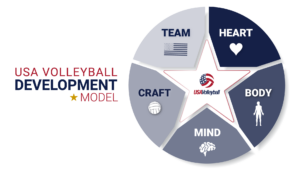
The five pillars of the USA Volleyball Development model provide the basis for a holistic approach to the core elements that are vital to supporting development at every level and across age groups.
USA Volleyball Education is committed to providing support for the volleyball community with a role-based approach to education and training. Whether you’re planning practices, cheering from the stands or making the right call, we provide the tools and resources to help you succeed.
The 14U and 16U years are where volleyball development starts to become more intentional. Athletes can begin specializing by position, but they still need to develop as complete volleyball players. At the same time, players should begin taking greater ownership of their recovery, physical development, decision-making, and mentality.
Reading is a critical skill for volleyball athletes and coaches. This excerpt from an upcoming Coach Academy module will describe what reading is and how coaches can teach it to their athletes.
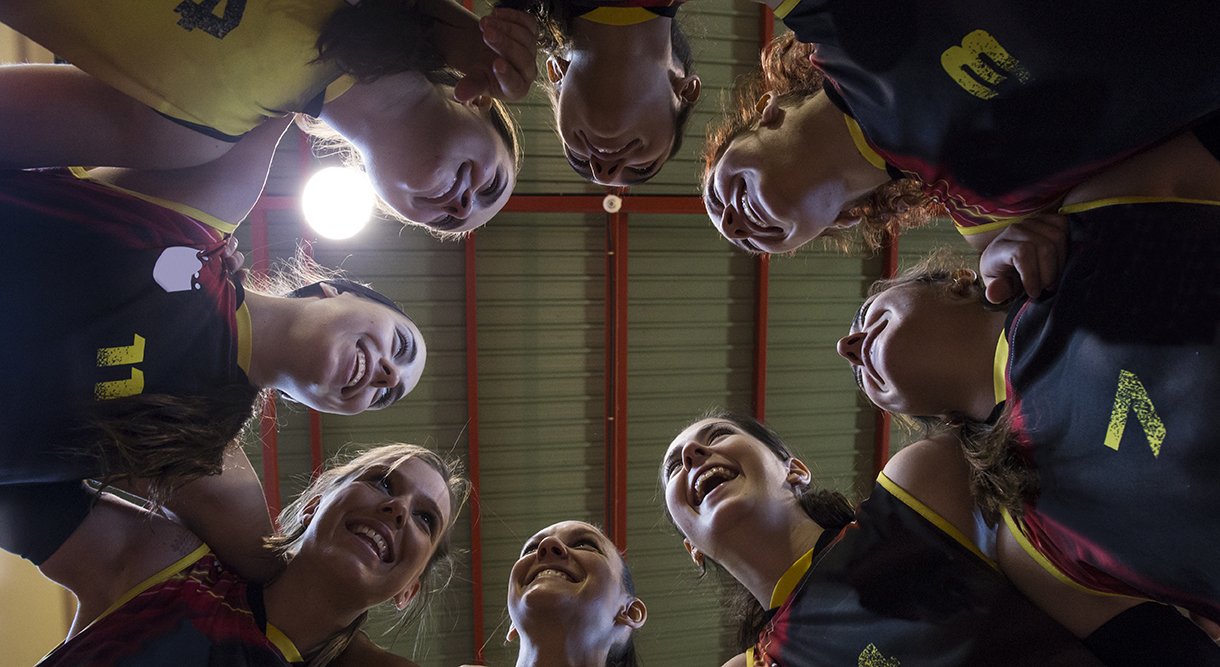
It can be difficult to know what to do—and what not to do—to best help athletes with issues around body image. This is especially true when even seemingly innocuous comments can lead to issues with negative body image.

Alkaline water, mineral water, carbonated water, coconut water: There are so many different water options available that it can feel a bit overwhelming at the grocery store. Which one will serve your athlete best, or is plain old tap water the optimal solution?

For young athletes, breakfast is an important meal, but it’s also the most likely to get skipped in order to finish that homework assignment or catch the bus. But there are plenty of easy, healthy options that can be prepped ahead of time and only take a few minutes to whip up.
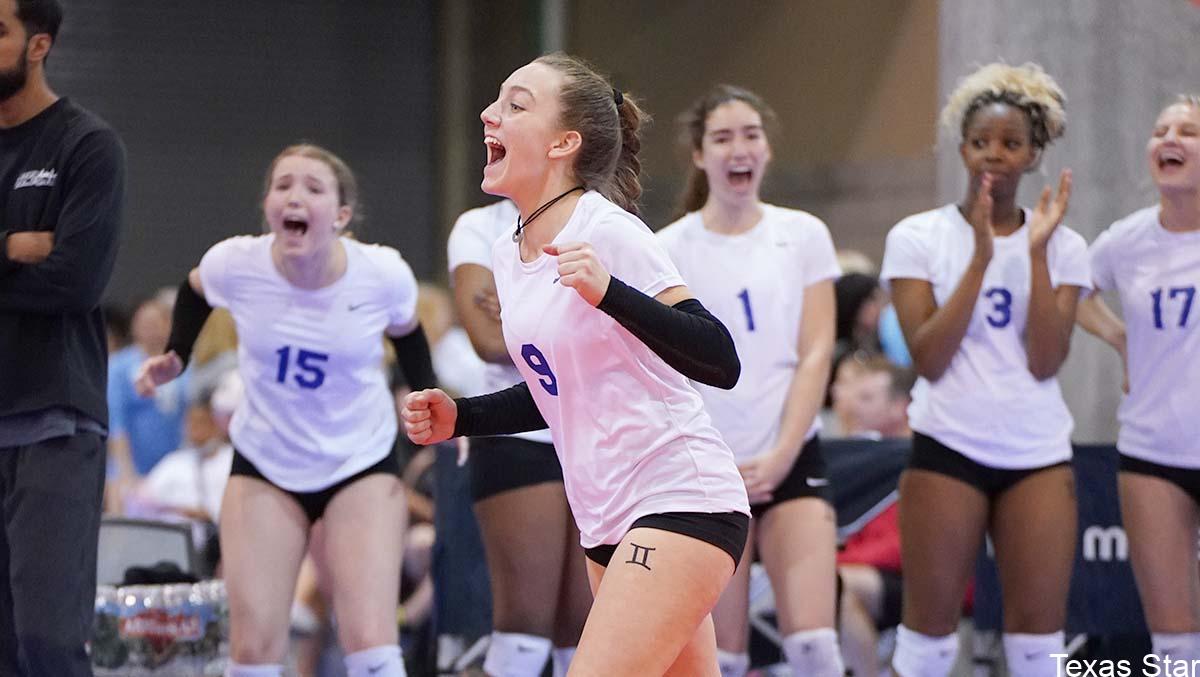
June 15 is the initial contact date for volleyball college coaches at the NCAA Division I and Division II levels to reach out to rising juniors. Once this date hits, more direct communication can begin between college coaches and the student-athletes. What does that mean? We’ll go through five things to know about June 15.
Watching the kids in a small indoor gym training over three nets, I thought of all the lines we put kids into, the way we ignore the net, the way we inflict pain via the forearm pass and the way 6v6 is experienced by beginners. I get angry inside at knowing billions of kids over my lifetime have walked away from our sport for a lifetime because their introduction to the game is BORING. We must do better when we introduce this sport.
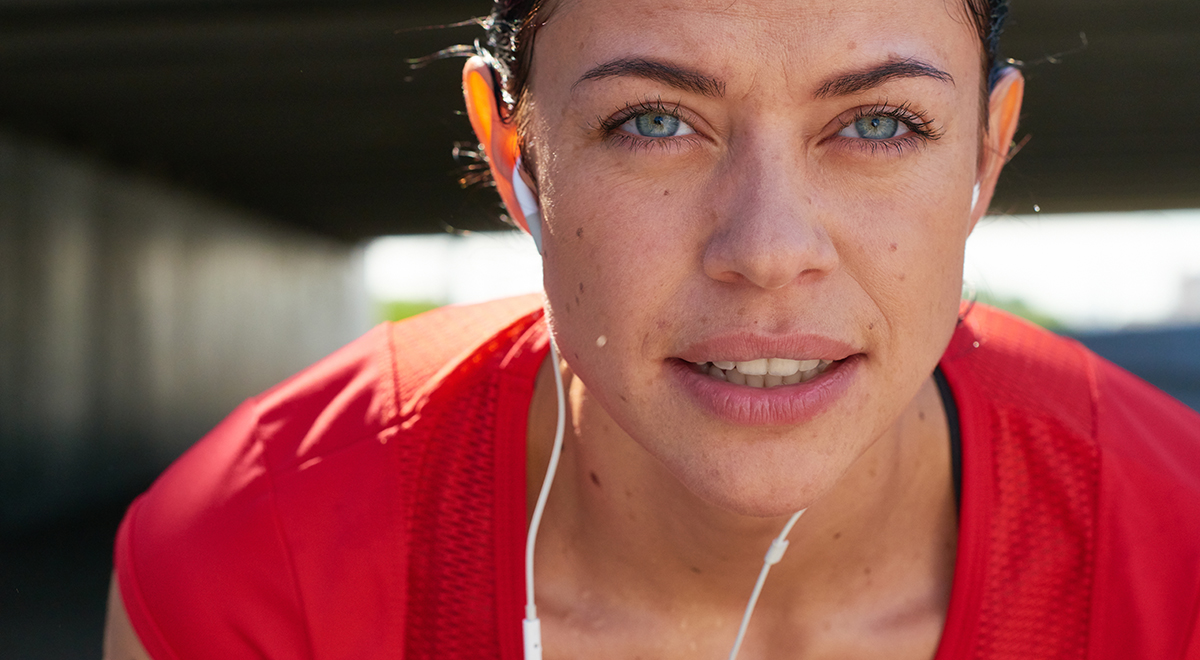
Hot weather is coming, and that means your athletes are at a higher risk of becoming dehydrated during practices and games. And even mild dehydration can impact athletic performance, as well as an athlete’s general health.
Mental wellness can be difficult for parents, coaches and other guardians to cope with when it comes to young athletes. Is a bad grade on a test just because an athlete didn’t study, or is it a sign of something deeper? Coaches and parents should be on the lookout for signs that an athlete’s mental health is suffering, and while they may not be equipped to help the athlete, guardians can help connect an athlete with the right professionals.
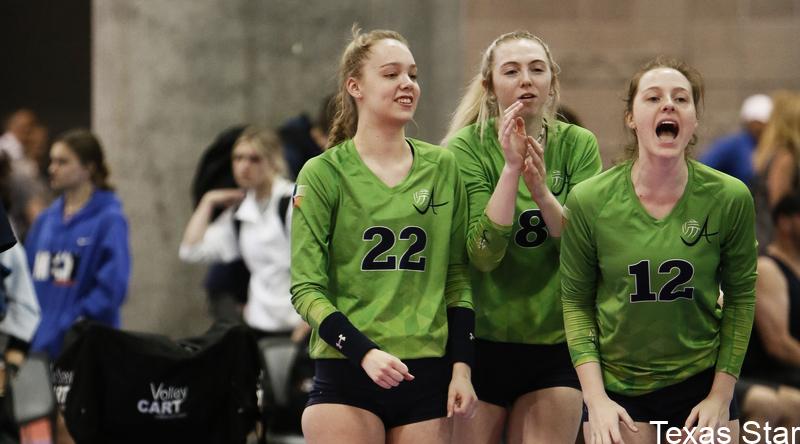
Every year, student-athletes participate in summer camps, combines, tournaments and showcases to sharpen their skills and gain exposure to college coaches. College coaches value the opportunity to evaluate a player multiple times on video as well as in person. Attending these types of events can be a crucial step in your recruiting process, but they can be costly and time consuming, so make them worth your while.

Nervous for your child's matches? That's natural, but it may also be affecting your young athlete, too. Here are ways parents can alleviate their own stress during competition.

It can be hard to make meals that are healthy and satisfying for athletes with certain food restrictions. But with a bit of prep and pre-planning, you can easily have snacks and meals on hand that are soy, dairy, and gluten-free.

As an athlete, it’s recommended that you eat every three hours throughout the day, so it’s important to find snacks that travel easily, offer the right nutrients, and actually taste good too. When it comes to nutrition, the goal is to find snacks that fill you up and keep you energized through an optimal blend of mostly carbohydrates, plus some protein and fat to help you feel satisfied for longer.
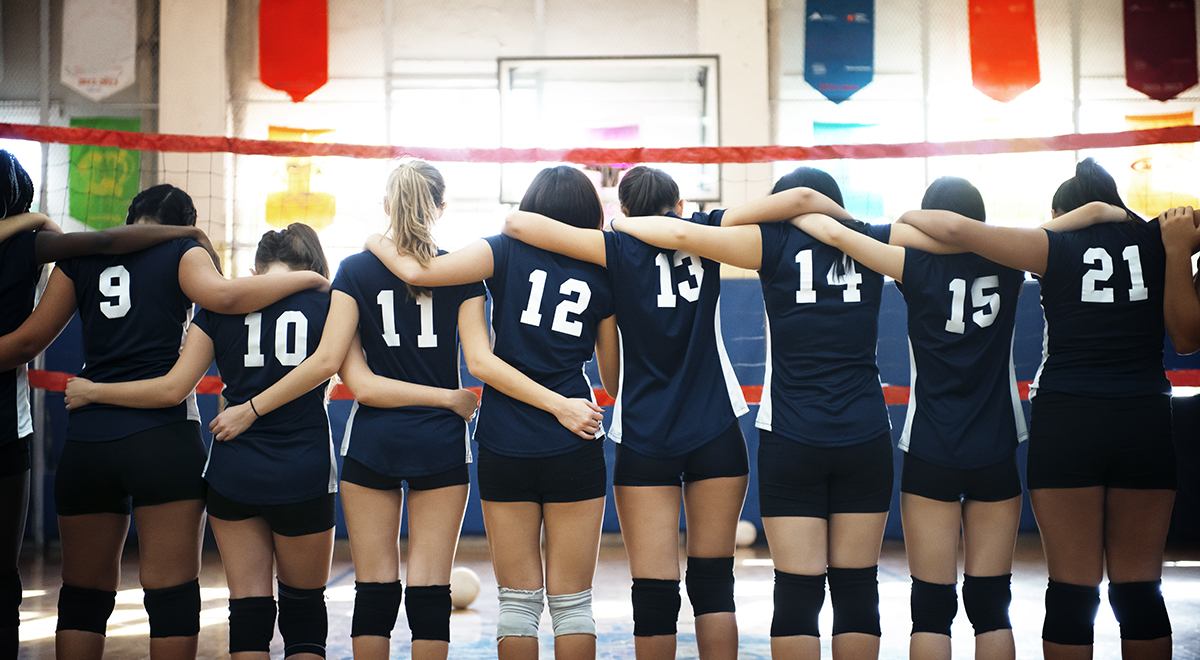
As a coach, your teams almost certainly contain a diverse multitude of athletes with different life experiences, and assumptions about them can be dangerous. Here are tips for acknowledging your current assumptions and create a more equitable team environment.
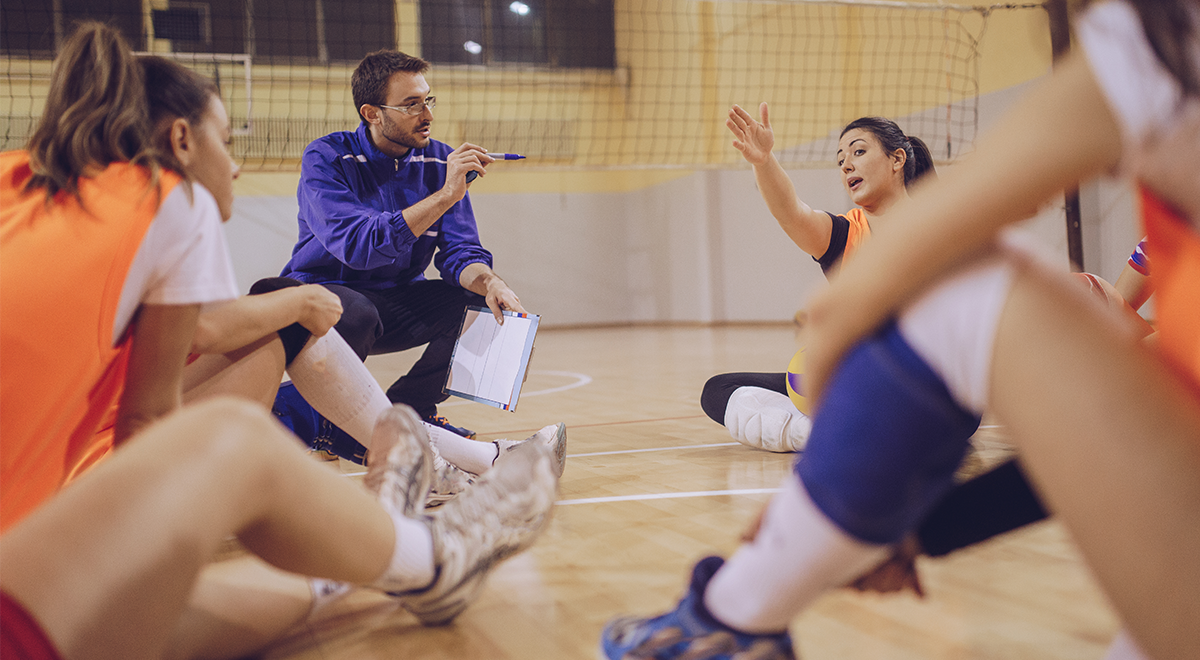
Creating strong boundaries is an important and often overlooked piece of the coaching dynamic. A lack of boundaries can not only impact a team’s success, but also lead a coach to experience burnout and negative mental health effects.
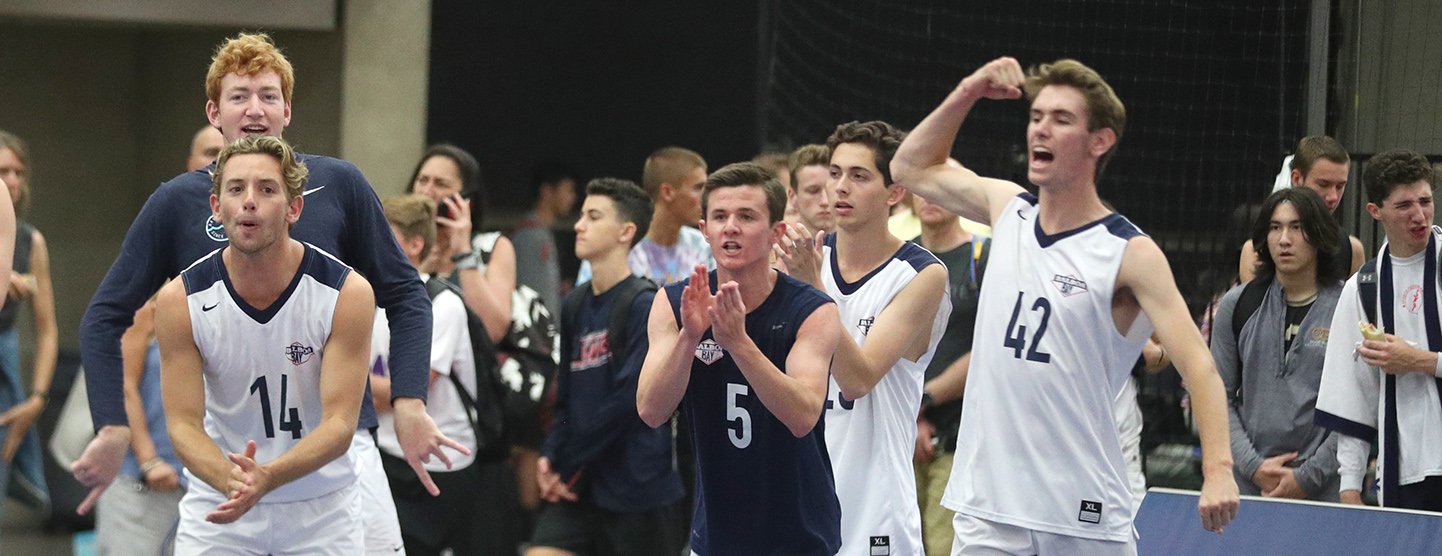
The college recruiting process is an exciting time for all young athletes, but it can also be confusing. Understanding the deadlines for each division and discipline will give you the tools to make the most of it.
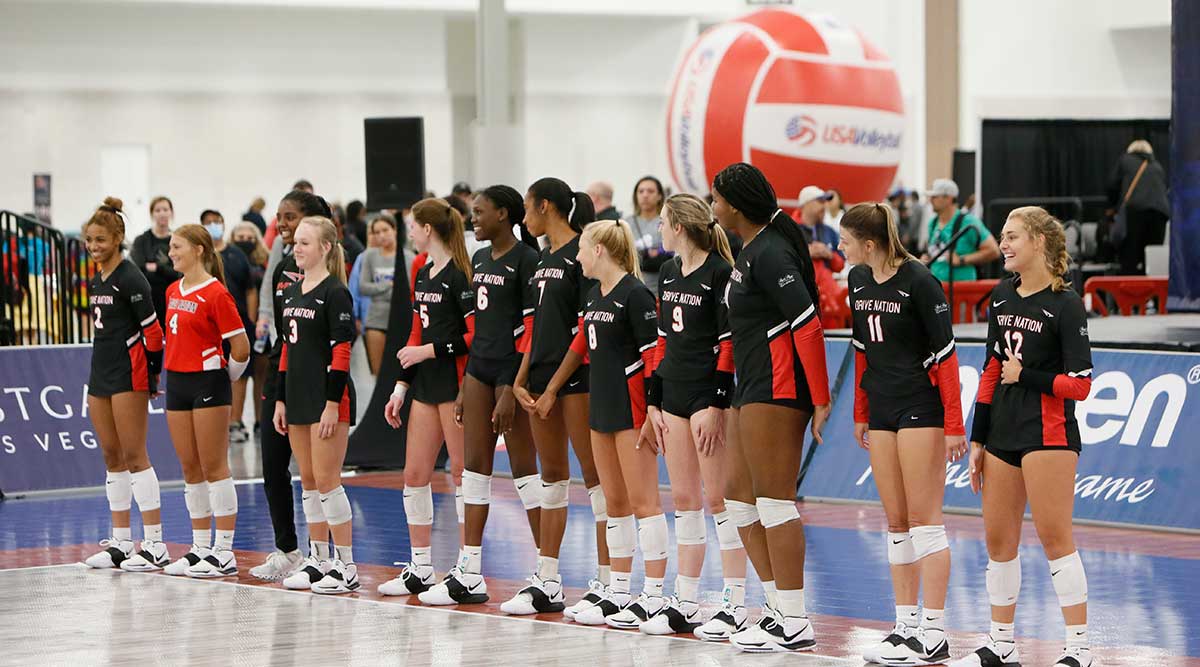
The college recruiting process is an exciting time for all young athletes, but it can also be confusing. Understanding the deadlines for each division and discipline will give you the tools to make the most of it.

It is easy for coaches to put aside their wellness during a season, but they shouldn't. In fact, addressing their own mental health and wellness may make them a more successful coach and create a more cohesive team.

January 21 is National Granola Bar Day, so why not take the time to make this healthy snack.

Here are three easy, healthy recipes for meals that can be quickly prepped, placed into a pressure cooker and forgotten about.

Young athletes' brains are using food for fuel. Fuel it appropriately, and your young athlete will be able to think fast and stay sharp in school and on the field.

Returning to sport from illness of any kind can be tricky, and with the COVID-19 pandemic, it’s only gotten more difficult. But even a simple cold or stomach bug can leave an athlete sidelined without a clear idea of when it’s safe or advisable to return to sport.


